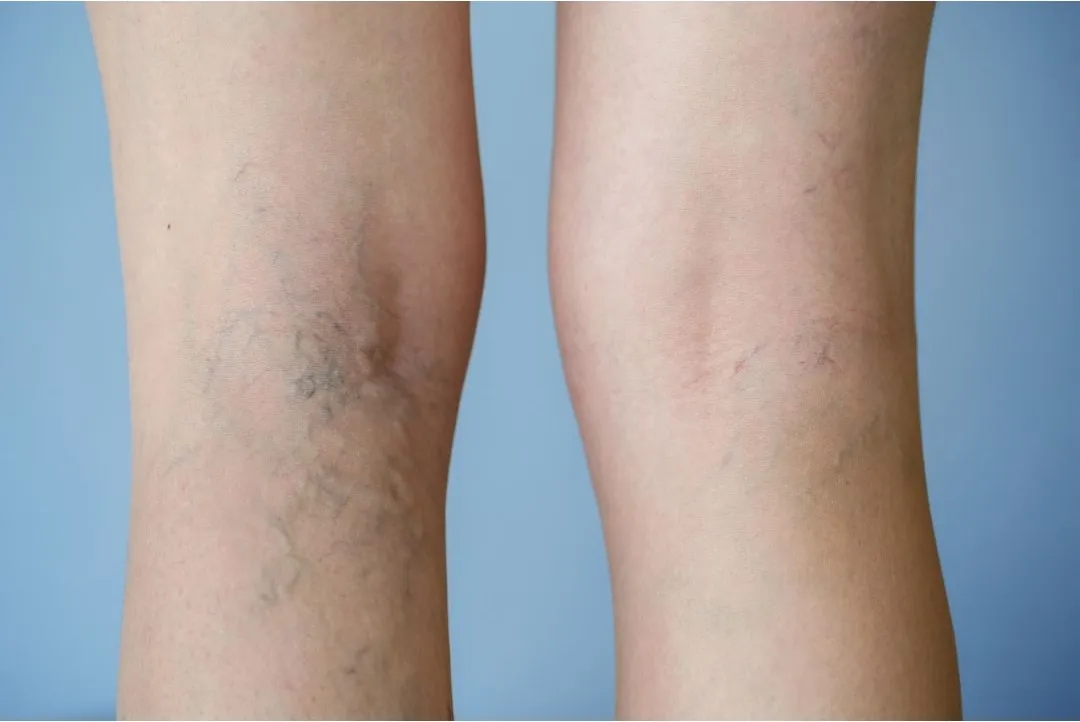
Every vein treatment under one roof
The Vein Clinic at FCCI treats deep veins, surface veins and cosmetic veins, from bulging varicose veins to spider veins. Your doctor picks the right option after an ultrasound of your legs.
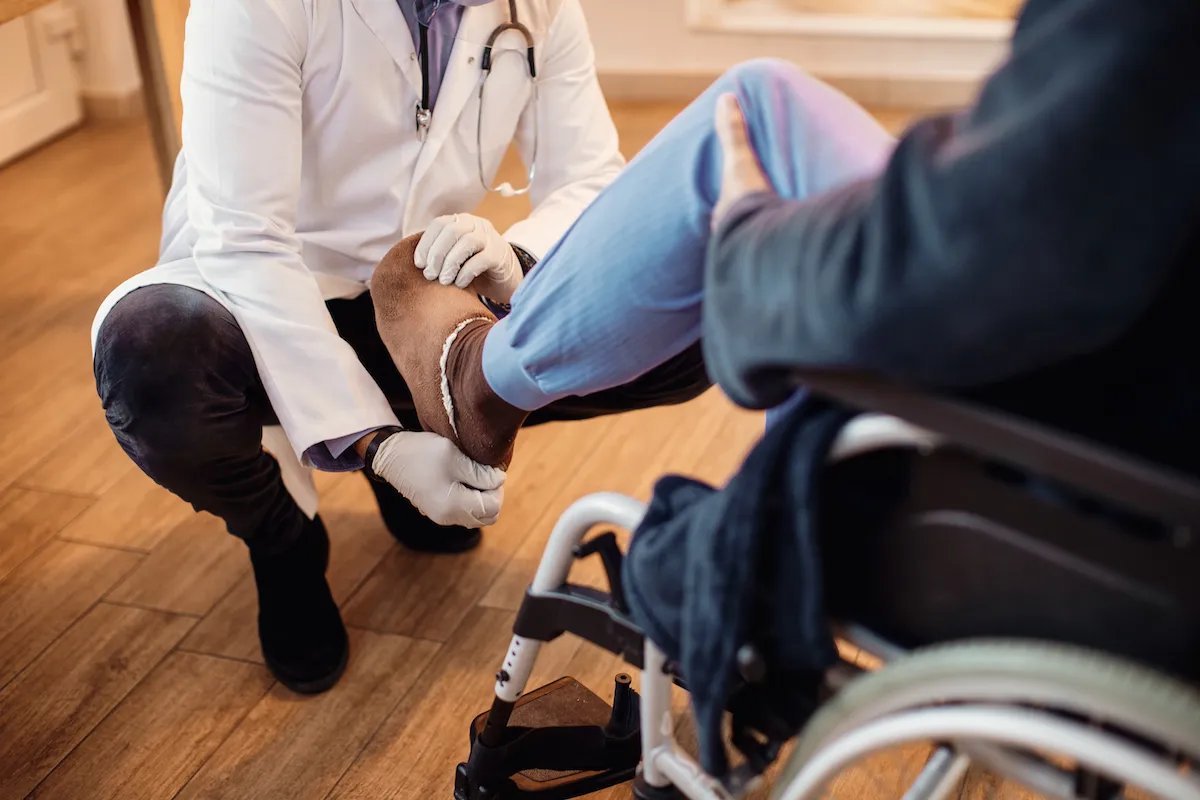
Superficial veins: varicose veins
Superficial veins sit close to the skin. When their valves stop working, blood pools and veins twist and bulge. FCCI offers two treatments here.
- Endovascular laser. A minimally invasive laser procedure that lasts about an hour. It uses heat to treat the underlying cause of varicose veins, and FCCI describes little to no pain with it.
- Phlebectomy. Removes stubborn varicose veins through a tiny needle puncture. Recovery is quick and there are no large scars.
Your doctor will look at your ultrasound results first. The laser often treats the faulty vein that feeds the bulging ones, and phlebectomy can clear what is left at the surface. Which one you need, and in what order, depends on your own veins.
Cosmetic veins: spider and reticular veins
Spider veins are small blood vessels that collect close to the surface of the skin. Reticular veins are a bit bigger and deeper, often blue or green, and they can feed spider veins.
FCCI treats both with sclerotherapy, a chemical ablation that closes the vein so it fades from view. It is a minimally invasive, in-office treatment.
Cosmetic vein care is often handled differently by insurance than care for painful or swollen legs. Call 904.493.3333 and ask how your plan treats cosmetic sclerotherapy before you book, so there are no surprises.
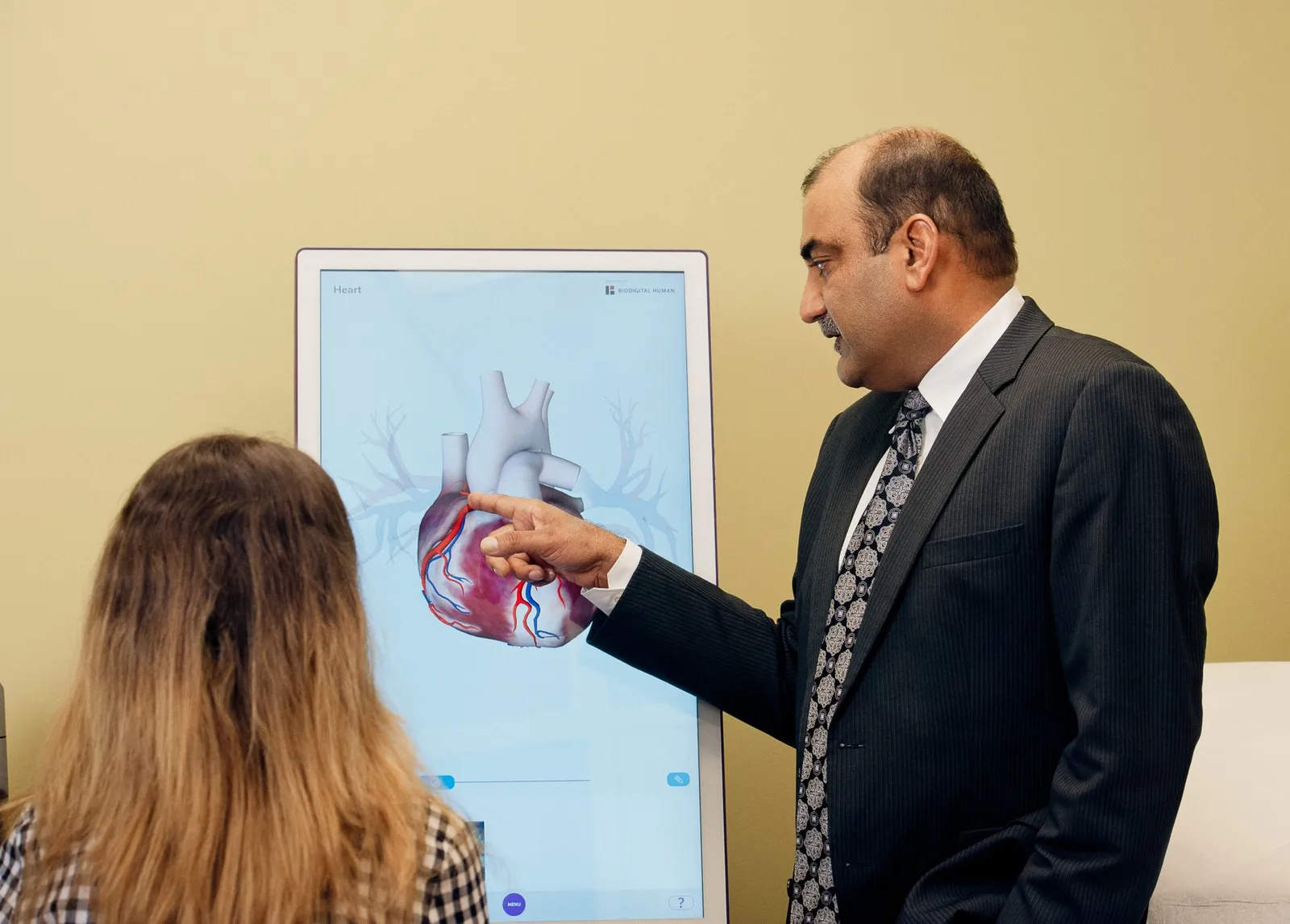
Deep veins: clots, compression and blockages
Some vein problems sit deep in the legs, pelvis or belly. These need a different set of tools, and FCCI is the only freestanding catheterization lab that focuses on treating and managing clotted veins.
- Intravascular ultrasound (IVUS). A tiny ultrasound probe images the deep veins from the inside to tell a clot from compression or other problems.
- Venography. An x-ray exam that shows how blood moves through your veins and finds clots.
- Venoplasty. A small balloon widens a narrowed vein to improve blood flow.
- Stents. Small tubes that hold a vein open so blood can flow.
These are done in FCCI's own outpatient cath lab, not a hospital, which FCCI says keeps costs lower and visits more convenient.
How your doctor chooses
No two sets of legs are the same. Treatment starts with an exam and an ultrasound in FCCI's accredited vascular lab. The ultrasound shows which way blood flows in each vein and which segments are not working. From there your doctor builds a plan around your symptoms, your health history and what matters to you, whether that is relief from aching legs or how your legs look in shorts.
If testing shows no vein disease, FCCI has cardiology, sleep medicine, wound care and lung specialists under the same roof to look for the real cause.
Talk with a specialist.
New patients are welcome. Call 904.493.3333, Mon to Fri, 8am to 5pm, or request a visit online.
What vein treatments does FCCI offer?
Endovascular laser, phlebectomy and sclerotherapy for surface and cosmetic veins, plus IVUS, venography, venoplasty and stents for deep veins.
How long does laser vein treatment take?
FCCI's endovascular laser procedure lasts about an hour.
Do I need an ultrasound first?
Yes. Your doctor uses a vein ultrasound to see which veins are not working before choosing a treatment.
Which treatment is right for me?
Only your doctor can say after an exam. Call 904.493.3333 to set up a visit.